
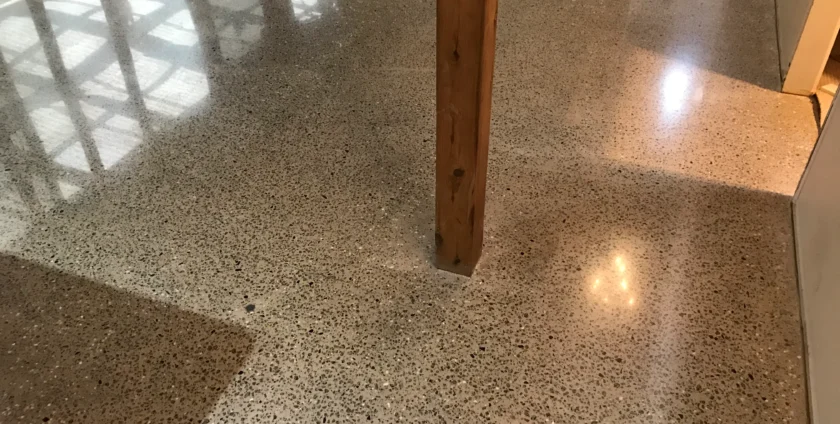
Old concrete can really make a property look rundown whether it’s inside or out. While tiling, carpeting or laying the flooring is an option, restoring or polishing old concrete floors versus installing new flooring can have many benefits. It can reduce maintenance, increase strength and give you a fresh, clean look and feel that is made to last, especially in high traffic areas.
If you’re weighing up whether to refinish old concrete versus installing new flooring, this guide will give you the info you need to make a decision. With more than 20 years of experience, our team at Concrete Floor Renovations in Melbourne can help you with any questions you may have about your specific flooring options.
Top Benefits of Polishing Old Concrete Floors
Polishing old concrete floors is a popular choice in both homes and businesses for a reason. They require very little maintenance and can withstand a lot of wear and tear, making them perfect for food businesses, retail stores, offices, warehouses, garages, kitchens, living areas and basements. These are some of the top benefits why they’re so popular in Australia.
Instant visual upgrade.
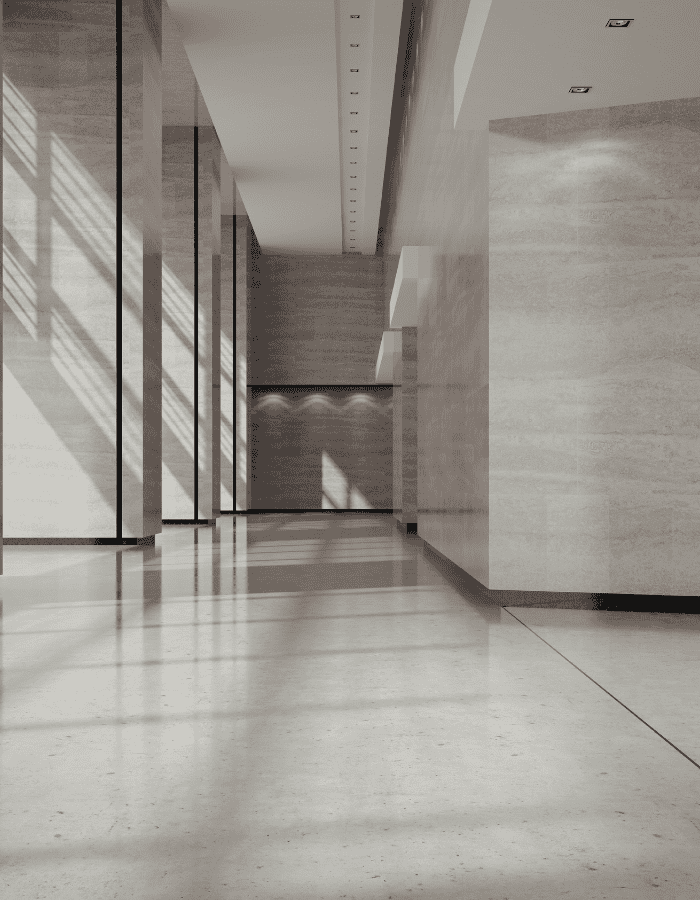
Polished concrete can instantly take a tired, patchy slab and turn it into a sleek, modern surface that looks elegant in any home or business. The light bounces differently off polished concrete, making any space feel brighter, more open and welcoming, which works incredibly well for areas that get low light, like halls, garages, and living or work spaces in general.
Harder wearing than almost any finish.
Once it’s polished, concrete becomes far more resistant to scuffs, stains and surface damage. Heavy foot traffic, equipment and daily wear is no match, especially compared to other coatings, tiles or laminate flooring that can easily be damaged.
Low maintenance.
There’s no need to wax polished floors, with very minimal cleaning and few touch-ups needed over time. Just a quick sweep and an occasional mop is usually all polished concrete needs to keep it looking pristine. It’s actually recommended you don’t use any chemical cleaners on them to keep their beautiful shine.
Reduced dust.
Polishing old concrete floors seals the surface so concrete dust no longer sheds into the air. This is especially beneficial in homes, workshops, warehouses and commercial spaces, particularly for people with allergies.
Cooler floors in hot climates.
Concrete naturally holds temperature well. Polishing further improves this effect, keeping interiors more comfortable in summer without extra cooling.
More sustainable.
Instead of covering old slabs with new flooring, polishing makes the most of existing material. There’s less waste, fewer products and a smaller environmental footprint, which is a win all-round.
Higher property appeal.
Aside from looking good, people know polished concrete is a low-maintenance, hard-wearing flooring material. This can help lift your property’s perceived value in both residential and commercial spaces, making them easier to sell or lease, and with a potentially higher return.
Potential for slip resistance.
Different levels of polish can create different textures. This gives you the option to balance shine with safety for wet or high-use areas, such as kitchens or wet rooms.
The Most Common Types of Concrete Floor Restoration
In many cases, old concrete doesn’t need to be replaced to look or perform better. The right type of concrete floor restoration can instantly improve how the space looks and is used, while giving you a modern finish that’s easy to maintain for years to come. Some floors simply need a refresh, while other may need deeper structural repairs, such as:

- Grinding and surface levelling, used when slabs are uneven, damaged or coated to remove old finishes, smooth imperfections and create a clean base for the next treatment.
- Concrete polishing, refining the surface using a multi-step process with progressively finer diamonds, then a densifier to harden the concrete for a sleek, durable floor that can range from matte to high gloss.
- Crack and joint repair, filling hairline cracks with flexible epoxy or polyurea or stitching/injecting larger structural cracks so movement does not reopen them later.
- Patch repairs and resurfacing, ideal for floors with pitting, spalling or chipped sections, using repair compounds that blend into the existing slab so it looks seamless again.
- Decorative finishing, including coloured stains, dyes, burnishing or light polish for spaces that want character without full resurfacing, such as for retail spaces, cafés and feature rooms.
- Protective sealing, where clear or satin sealers are added after restoration to resist moisture, chemicals and everyday wear, while keeping the maintenance simple.
The best way to know what you need for both structural integrity and aesthetics, it’s best to speak to a concrete floor specialist.
Signs You Need Concrete Floor Refinishing
While concrete floors are built to last, time, traffic and everyday use will eventually leave a mark. Refinishing isn’t just a cosmetic choice, but can also help prevent small issues from becoming costly structural problems later on. Some of the signs it may be time for concrete floor refinishing include:
- Visible cracks or crumbling edges.
- Persistent dust on the surface.
- Stains that won’t budge.
- Uneven or rough patches.
- Dull, blotchy appearance.
- Poor moisture resistance.
It’s important if you have any signs of damage to have your concrete surfaces looked at for structural damage to make sure you get the right repairs prior to polishing or resurfacing. This will make sure your floors are structurally sound and results last for as long as possible.
When to Redo Concrete Floors Over Installing New Floors
Redoing concrete floors often makes more sense than installing new floors when the slab is still structurally sound, but the surface is just looking tired. Instead of covering wear with tiles, vinyl or carpet, refinishing lets you address the real issues at their source. Grinding, polishing or resurfacing can remove any damage, level uneven areas and create a clean, modern look that performs better over time. It’s faster, less disruptive and often more cost-effective than a full replacement.
Choosing a restoration is also the smarter option for durability and sustainability. Polished or refinished concrete handles high traffic better than most floor coverings, needs little maintenance and avoids the waste that comes from ripping out existing materials. Unless the slab has major structural damage or serious water damage, redoing your concrete will typically give you stronger, cleaner and longer-lasting results than laying a brand-new floor over the top.
How to Polish Old Concrete Floors & When to Call an Expert
There’s more to polishing old concrete floors than just buffing the surface. To understand how to polish old concrete properly, the floor must first be assessed for cracks, moisture and uneven areas, then stripped of any coatings, glue or paint. You will also need a professional grinder to expose fresh concrete before progressively finer diamond tools are used to refine the surface to the desired finish.
This is the point where many projects move from DIY to calling in a professional. Achieving an even polish, managing dust, applying the right densifier and avoiding swirl marks requires specialist equipment and experience. If your slab has repairs, heavy staining or high-traffic use, bringing in an expert will save you time, reduce costly mistakes and give you a smoother, longer-lasting result.
Frequently Asked Questions Refinishing Old Concrete Floors
How do you make an old concrete floor look good?
There are a number of ways to make an old concrete floor look good again. It’s important to repair any damage, like cracks, chips and uneven surfaces to make sure your concrete has good structural integrity. Then, you can look at leveling the surface, testing the moisture and polishing the surface, as well as any coatings. Speaking with a concrete floor refinishing specialist will help you make the right, long-term decisions.
Can you do concrete resurfacing yourself?
While you can resurface concrete yourself, it’s not recommended. Professional concrete resurfacing can last well over a decade, while DIY jobs typically tend to start to crack or show signs of wear and tear within a year or two due to poor adhesion or prep. There may also be underlying issues that need to be repaired prior to resurfacing the untrained eye can’t detect. So, it’s best to leave any concrete restoration up to the experts.
Is reglazing the same as resurfacing concrete?
Reglazing and resurfacing concrete are typically used interchangeably, however, they are two separate applications. While reglazing or sealing protects and refreshes the appearance of concrete, resurfaces focus on fixing any damage and restoring durability. They can often both be performed to revive old concrete.
- By: digital
- Category: Blog, Polished Concrete
- 0 comment